
Hausa Foods You Must Try: Tuwo, Miyan Kuka and More
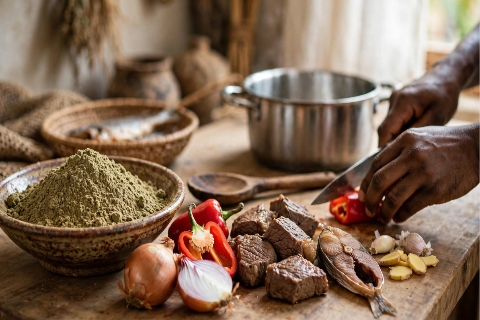
Hausa food is known for hearty meals, rich soups, grains, spices and simple cooking techniques that allow the natural flavours of the ingredients to stand out. From a soft bowl of tuwo served with soup to chilled fura da nono, Northern Nigerian cuisine offers plenty of dishes worth discovering.
If you are new to Hausa food, you do not need to start with complicated recipes. Some of the most popular dishes use familiar ingredients such as rice, millet, maize, meat, vegetables, dried fish and spices.
This guide introduces some Hausa foods you must try, what they are made from, how they are commonly served and what makes each one special.
What Makes Hausa Food Special?
Hausa cuisine is strongly associated with Northern Nigeria and the wider Hausa-speaking region of West Africa. Meals often make good use of grains, leafy vegetables, meat, milk, spices and locally available ingredients.
One thing that makes Hausa meals interesting is the relationship between the staple food and the soup or sauce served with it. Tuwo, for example, is usually eaten with a soup rather than by itself.
Another feature is variety. A home meal can be completely different from a popular street food such as masa or a refreshing drink such as fura da nono.
1. Tuwo Shinkafa
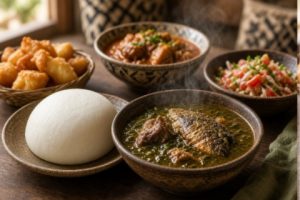
Tuwo shinkafa is one of the best-known Hausa foods. The name refers to a soft, smooth food made primarily from rice and served with soup.
The rice is cooked until very soft before being mashed or worked into a thick, smooth consistency. Depending on the household and preferred method, different types of rice can be used.
Tuwo shinkafa is commonly served with soups such as miyan kuka, miyan taushe or other vegetable- and meat-based soups.
How Tuwo Shinkafa Is Commonly Prepared
You generally need:
- Rice
- Water
- A little salt, if desired
The rice is washed and cooked with plenty of water until the grains become very soft. It is then stirred and mashed until it develops the smooth, thick texture associated with tuwo.
The most important part is getting the consistency right. It should be soft enough to scoop easily but firm enough to hold together when served.
What to Serve With Tuwo
Popular combinations include:
- Tuwo shinkafa with miyan kuka
- Tuwo shinkafa with miyan taushe
- Tuwo shinkafa with vegetable soup
- Tuwo shinkafa with meat or fish-based soups
If you are trying Hausa food for the first time, tuwo with a well-seasoned soup is a good place to begin.
2. Miyan Kuka
Miyan kuka is a distinctive Northern Nigerian soup prepared with powdered baobab leaves, locally called kuka. Baobab leaves have long been used as a food ingredient in parts of Africa, and research recorded through FAO’s AGRIS database specifically identifies them as a main ingredient in miyar kuka among Hausa communities.
The powdered leaves give the soup its characteristic colour, texture and flavour.
Common ingredients can include:
- Kuka powder
- Meat
- Dried fish
- Stock
- Onion
- Pepper
- Seasoning
- Salt
- Water
Some cooks also add ingredients according to family preference.
How to Make Miyan Kuka
A simple method is to first prepare a meat or fish stock with onion, pepper and seasoning.
Add the prepared stock to a pot and bring it to a gentle boil. Gradually add the kuka powder while stirring continuously to reduce lumps.
Allow the soup to cook until the ingredients are well combined and the desired consistency is reached. Adjust the water and seasoning as necessary.
Miyan kuka is particularly good with tuwo shinkafa.
A Useful Kuka Tip
Do not dump a large amount of kuka powder into boiling liquid at once. Adding it gradually while stirring makes it easier to control the thickness and avoid stubborn lumps.
Baobab leaves also contain nutrients, although the nutritional value of a complete bowl of miyan kuka depends on the other ingredients and the amount consumed. FAO food resources list kuka among vegetables used in Nigeria, while published research has examined the protein and mineral content of baobab leaves.
3. Miyan Taushe
Miyan taushe is another popular Northern Nigerian soup. Its name comes from taushe, meaning pumpkin.
The soup typically combines pumpkin or pumpkin puree with ingredients such as groundnut, meat, leafy vegetables and traditional seasonings.
Depending on the cook, the soup may contain:
- Pumpkin
- Groundnut paste
- Meat
- Dried fish
- Spinach or another suitable leafy vegetable
- Pepper
- Onion
- Seasoning
- Water or stock
Miyan taushe has a naturally rich taste and works particularly well with tuwo.
Tips for Miyan Taushe
Cook the pumpkin until soft before incorporating it into the soup. If using groundnut paste, stir it properly into the liquid so that it blends smoothly.
Be careful with the amount of water. A very watery soup can lose some of the thick, rich texture that makes miyan taushe enjoyable.
4. Fura da Nono
Fura da nono is one of the most recognisable traditional Northern Nigerian refreshments.
Fura is made from millet and is shaped into small balls or pieces. Nono is traditionally fermented milk. The two are combined to create a refreshing drink or soft food mixture.
Fura da nono can be served cold, making it particularly popular in hot weather.
What Does Fura da Nono Taste Like?
The flavour can be slightly tangy because of the fermented milk, while the millet gives it a grainy and earthy character.
Some people add sugar or other ingredients depending on preference.
If you live outside Nigeria, finding traditionally prepared nono may be difficult. A suitable cultured dairy product can sometimes be used as an alternative, but the flavour will not be exactly the same.
Because fermented dairy products are perishable, keep them properly chilled and follow appropriate food-safety practices.
5. Masa
Masa is a popular Northern Nigerian snack or breakfast food made from fermented grain batter.
It is usually cooked in a special pan with small round moulds, producing soft, round pieces with lightly browned surfaces.
Depending on the recipe, the batter may be made with rice or other grains.
Masa can be eaten with:
- Yaji or pepper sauce
- Stew
- Soup
- Honey or sugar
- Tea
- Other savoury accompaniments
Freshly cooked masa is especially enjoyable because the outside can have a light browned texture while the inside remains soft.
Common Masa Mistake
One common problem is using a batter that is too thick or too thin. The exact consistency depends on the recipe, but the batter generally needs to be fluid enough to spread into the mould without becoming watery.
Fermentation time can also affect the flavour and texture, so follow the specific recipe you are using rather than relying on one fixed fermentation period for every batch.
6. Kunun Aya
Kunun aya is a traditional drink made from tiger nuts, known locally as aya.
The tiger nuts are washed, soaked and blended with water. The mixture is then strained and flavoured according to preference.
Possible additions include:
- Dates
- Ginger
- Water
- A small amount of sugar, if desired
The result is a creamy, naturally sweet drink with a distinctive nutty flavour.
For a smoother drink, strain the blended mixture carefully through a clean fine sieve or suitable food-safe filter.
Keep homemade kunun aya refrigerated and consume it within a reasonable period because homemade drinks without commercial preservation can spoil.
7. Danwake
Danwake is a traditional Northern Nigerian meal made from small dumpling-like pieces prepared from flour or grain-based ingredients.
It is usually boiled and served with a savoury mixture such as ground pepper, oil and other seasonings.
Some versions are served with vegetables, egg or other accompaniments.
Danwake is especially popular as a simple, filling meal and can be prepared with ingredients that are relatively easy to find in Nigerian markets.
8. Dambu Nama
Dambu nama is a popular Northern Nigerian dried meat preparation.
The meat is cooked, shredded and seasoned before being dried or fried depending on the preparation method. It is commonly eaten as a snack or served alongside other foods.
Because the meat is prepared in small shredded pieces, seasoning can reach many parts of it.
The exact method varies between cooks, so texture can range from relatively soft to noticeably dry and chewy.
When preparing meat for drying, proper cooking, hygienic handling and safe storage are essential.
9. Kilishi
Kilishi is a thin, dried and seasoned meat product associated with Northern Nigeria.
Thin slices of meat are prepared and coated with a seasoned mixture before being dried. The finished product is usually firm, intensely flavoured and easy to carry as a snack.
Kilishi is often associated with beef, although preparation styles and seasoning mixtures can vary.
If buying commercially prepared kilishi, check the packaging and storage instructions. For homemade versions, pay particular attention to safe meat handling and adequate drying.
10. Alkaki
Alkaki is a traditional Northern Nigerian sweet snack prepared from dough that is shaped and fried before being coated or combined with a sweet mixture.
It is often associated with festive occasions and special gatherings.
The texture can vary depending on the recipe, but a good batch should have a pleasant fried exterior with enough sweetness to make it enjoyable without overwhelming the dough.
11. Tuwon Masara
Tuwon masara is a soft swallow made from maize flour.
It is prepared by gradually mixing maize flour with hot water while stirring until it becomes smooth and thick.
It can be eaten with different Northern Nigerian soups, including vegetable- and meat-based soups.
Compared with tuwo shinkafa, the maize version has a different flavour and texture, making it worth trying if you enjoy traditional grain-based meals.
How to Build a Traditional Hausa Meal
If you are preparing a Hausa meal at home, you do not need to make several dishes at once.
A simple combination could be:
- Prepare tuwo shinkafa.
- Cook miyan kuka or miyan taushe.
- Prepare meat, fish or another protein for the soup.
- Serve the hot soup alongside the tuwo.
- Finish with a chilled traditional drink such as kunun aya or fura da nono.
This approach gives you a complete meal without making the cooking process unnecessarily complicated.
Tips for Cooking Hausa Foods at Home
Buy Ingredients From the Right Market
Ingredients such as kuka powder, millet, tiger nuts, groundnut and traditional spices may be easier to find in Northern Nigerian markets or specialist African food shops.
For readers outside Nigeria, African grocery stores and online speciality food retailers may carry some of these ingredients.
Start With Small Batches
Traditional recipes can vary considerably from one household to another. If you are unfamiliar with an ingredient, make a small batch first and adjust the seasoning or consistency next time.
Pay Attention to Texture
For foods such as tuwo and masa, texture is almost as important as flavour.
Tuwo should be smooth and soft, while masa should remain tender rather than becoming hard or excessively oily.
Do Not Rush the Soup
Soups such as miyan kuka and miyan taushe benefit from giving the ingredients enough time to combine properly.
Keep the heat controlled and stir when necessary, particularly when using thick ingredients such as groundnut paste or kuka powder.
Common Mistakes to Avoid
- Adding too much water to tuwo.
- Adding kuka powder too quickly.
- Using excessive pepper without considering the other flavours.
- Allowing thick soups to stick to the bottom of the pot.
- Using poorly stored dried ingredients.
- Leaving homemade dairy drinks at room temperature for too long.
- Over-frying snacks such as masa or alkaki.
- Ignoring proper meat and food-storage practices.
Hausa Food Variations
There is no single way to prepare every Hausa dish.
Recipes can differ according to family, location, available ingredients and personal preference. One household may prefer a soup thicker than another, while another cook may use more dried fish, meat, pepper or vegetables.
That variation is part of what makes traditional food interesting.
If an ingredient is unavailable, make sensible substitutions rather than abandoning the recipe completely. For example, readers outside Nigeria may need to use an accessible cultured dairy product when preparing a version of fura da nono.
The result may not be identical to what you would buy in Northern Nigeria, but it can still provide an introduction to the flavours and techniques.
How to Store Hausa Foods
Storage depends on the particular food.
Cooked soups should be cooled appropriately and stored in clean, covered containers. Refrigeration is suitable for short-term storage, while freezing can be useful for keeping some cooked soups for longer.
Cooked tuwo is best eaten fresh, although leftovers can be refrigerated and reheated carefully.
Dried foods such as properly prepared kilishi require different storage conditions from wet soups or dairy-based drinks.
For homemade fura da nono and kunun aya, refrigeration is particularly important because they contain ingredients that can spoil.
When reheating food, heat it thoroughly and avoid repeatedly cooling and reheating the same portion.
Frequently Asked Questions
What is the most popular Hausa food?
There is no single Hausa dish that everyone considers the most popular. Tuwo, miyan kuka, miyan taushe, masa, fura da nono and several other foods are widely associated with Hausa and Northern Nigerian food culture.
What is tuwo made from?
Different types of tuwo are made from different grains. Tuwo shinkafa is made from rice, while tuwon masara is made from maize flour.
What is miyan kuka made from?
Miyan kuka is made primarily from powdered baobab leaves, known as kuka, combined with ingredients such as meat or fish, pepper, onion, stock and seasonings.
Can I make miyan kuka without meat?
Yes. You can prepare a meat-free version using ingredients such as dried fish or other suitable flavouring ingredients, or make it completely plant-based depending on your preferred recipe.
Is fura da nono served hot or cold?
Fura da nono is commonly served chilled or cool. The cold, creamy drink is particularly refreshing in warm weather.
What can I eat with masa?
Masa can be served with pepper sauce, stew, yaji, tea or other savoury and sweet accompaniments. The choice depends on whether you prefer it as a snack, breakfast or main meal.
Can I freeze Hausa soups?
Some cooked Hausa soups can be frozen successfully when stored in clean, airtight containers. Allow the soup to cool appropriately before storage and thaw it safely before reheating.
Where can I buy Hausa food ingredients outside Nigeria?
African grocery stores, specialist food markets and some online African food retailers may stock ingredients such as kuka powder, millet, tiger nuts and traditional spices. Availability varies by country.
Conclusion
Hausa food offers much more variety than many people realise. From smooth tuwo shinkafa and distinctive miyan kuka to refreshing fura da nono, masa, kunun aya and traditional dried meat, there are plenty of dishes to explore.
If you are new to Northern Nigerian cuisine, start with one simple combination such as tuwo shinkafa and miyan kuka. The best practical tip is to make a small batch the first time, pay close attention to texture and adjust the seasoning to your taste.
Once you become comfortable with the basic ingredients, you can explore more dishes and develop your own favourite Hausa food combinations.



Leave a Comment